 IN CULTIVATION
Petit Camp, Phoenix
4 arpentsPumpkin cultivation forms the starting point for our vegetable farming. We plan to diversify through measured trials and seasonal planting.
PUMPKIN · FIELD CULTIVATION
Good food starts with the land. We’re building a farming company with care for our soil, our communities and the island we call home.
Discover our farms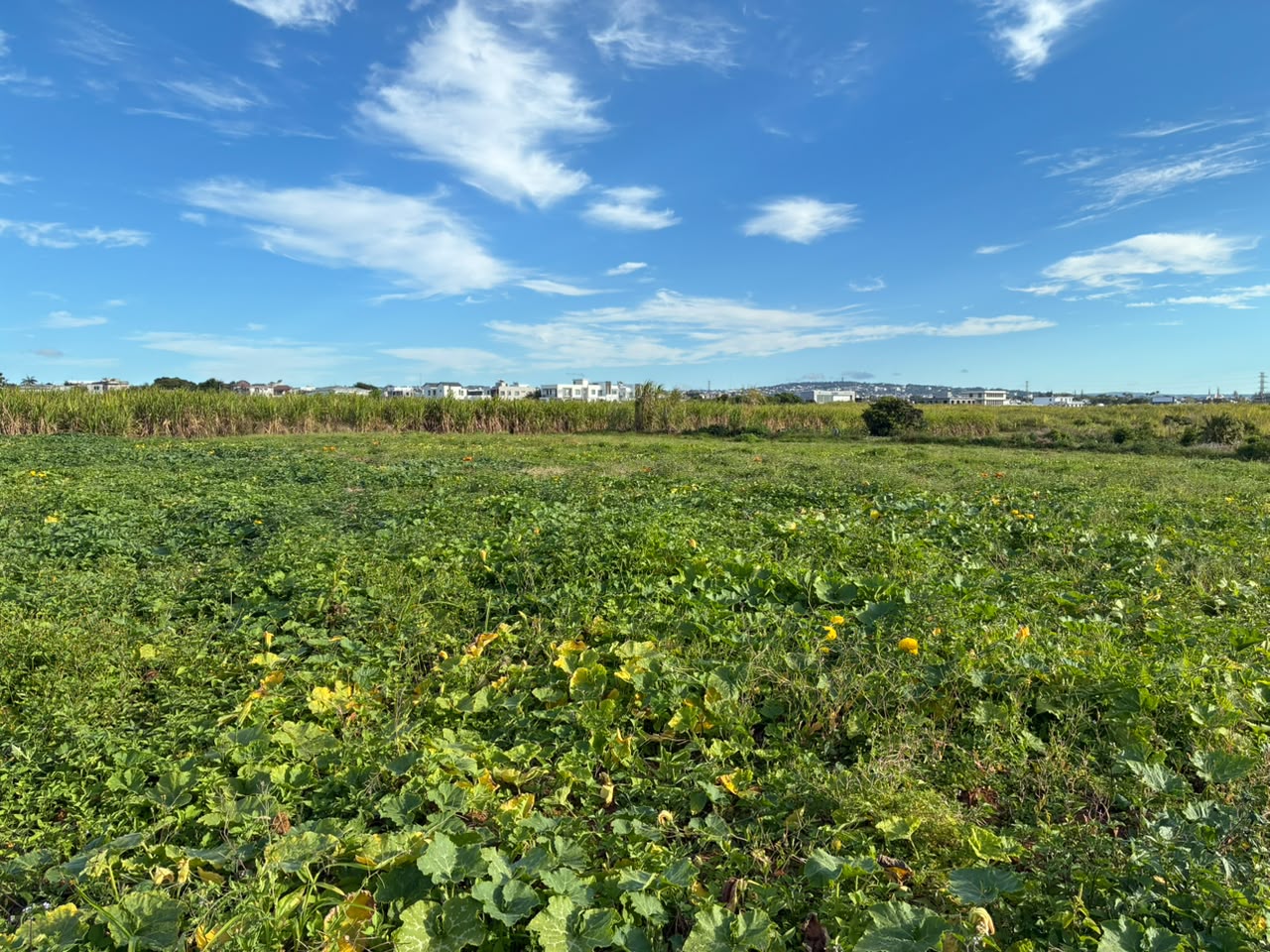
Our story starts on two sites in Mauritius. Each has its own role in the future we’re building.
IN CULTIVATIONPumpkin cultivation forms the starting point for our vegetable farming. We plan to diversify through measured trials and seasonal planting.
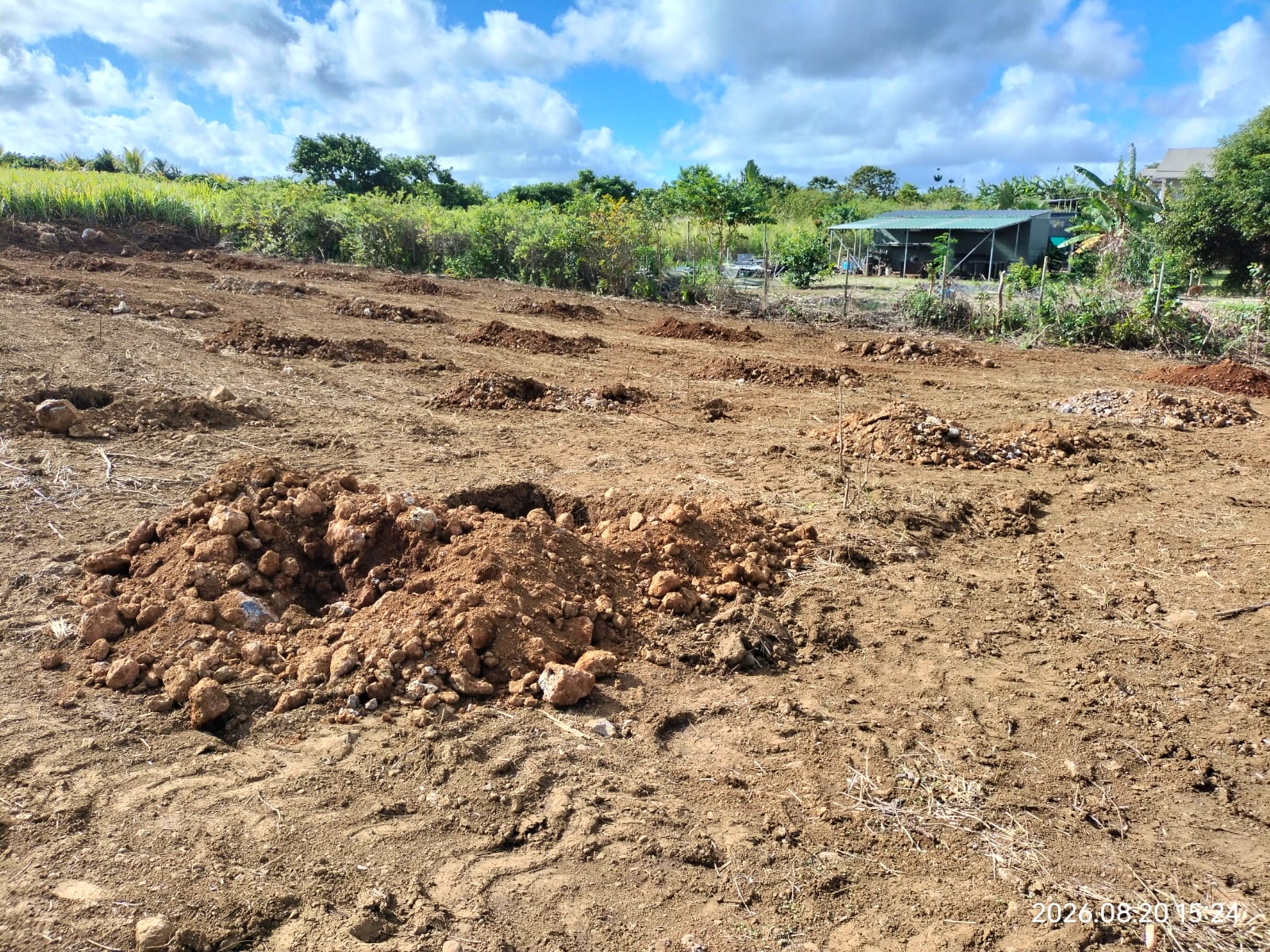 ORCHARD DEVELOPMENT
Our litchi site is part of a longer-term orchard vision. These photographs document ground preparation in August 2026.
We’re developing a bio-oriented approach to farming, built around practical methods and records of what works on our land.
Soil care, compost and thoughtful crop rotation guide the methods we aim to establish.
Choose crops for local conditions. Test on a small scale, record the results and expand what performs.
Develop dependable relationships with buyers and create employment as production grows.
Our farming approach is under development. Canopia does not currently claim organic certification.
A phased ambition: expand cultivation, introduce protected growing and create new ways for people to connect with farming.
Pumpkins in Petit Camp, Phoenix.
A litchi site in Deux Bras.
Cultivated land and
two hydroponic greenhouses.
Explore a suitable former
tea factory for production.
A broader farming operation
with more local employment.
We envision seasonal fruit-picking visits where families can learn, taste and reconnect with the land. This experience is in development and is not yet open for bookings.
Two proposed greenhouses would let us test niche hydroponic crops with buyers. Crop selection and growing systems will follow technical and market trials.
Our crop-by-crop planning study explores how much Canopia could contribute once each stage is fully operating.
Illustrative saleable vegetable capacity at 25 cultivated arpents, including two greenhouses.
Capacity after the 25-arpent stage is fully operating; not a forecast of the first harvest year.
Planning assumptions include crop-specific harvest yields, annual planting cycles and 85% retained field output. The 100-arpent case allocates 90 arpents to field vegetables, approximately 9.76 to orchards and 0.24 to two 500 m² greenhouses. Fruit and mushrooms are excluded from these vegetable totals. Actual output depends on land, water, weather, skills and buyers.
The national comparison uses the Island of Mauritius’s provisional 2025 reported food-crop production of 189,372 tonnes. It measures equivalent tonnage, not a share of all food needs or a guarantee of additional national production. Source: Statistics Mauritius ↗
We’re interested in connecting with agricultural landowners, produce buyers and technical partners who share our ambition for local food production.
Canopia plans to expand its agricultural land base through private rentals, government leases and other lawful arrangements that support long-term cultivation.
Indicative rental budget: Rs 15,000 or less per arpent per year, subject to site suitability and agreed terms.
We are also exploring the rental of a former tea factory suitable for mushroom production. Building terms would be agreed separately.
hello@canopia.mu